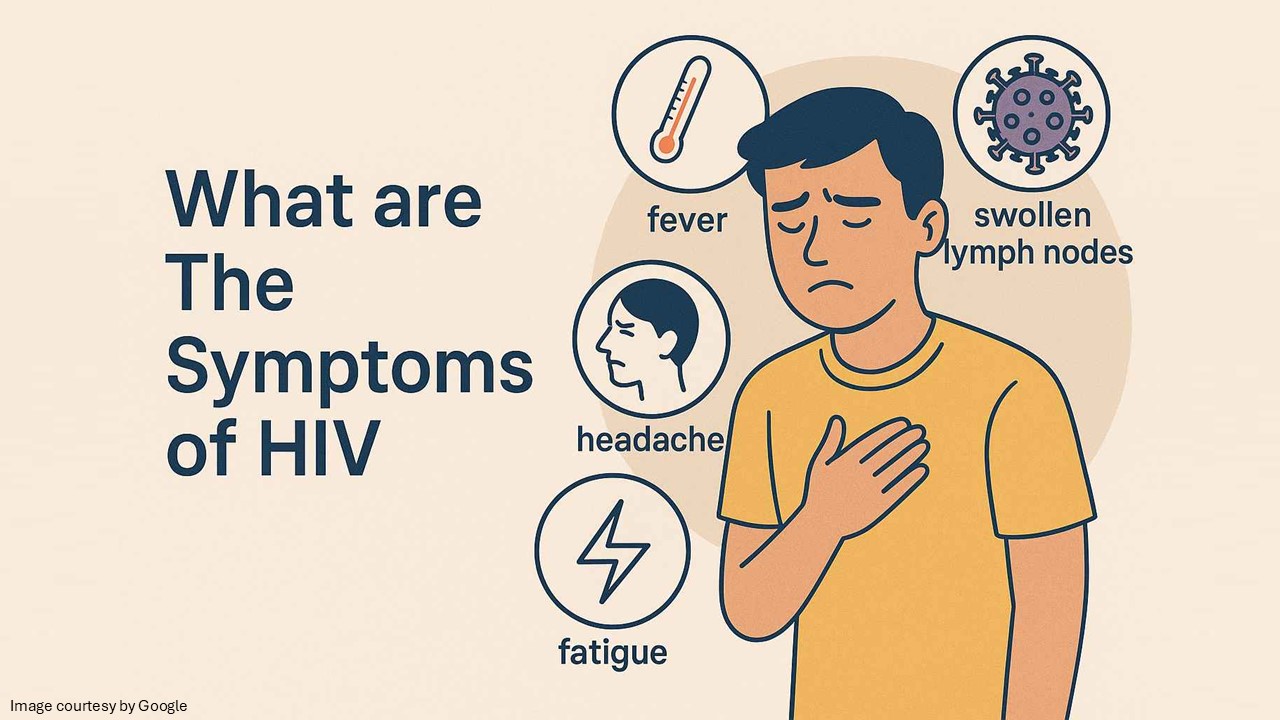
The symptoms of HIV are usually based on the person and the phase of infection. These symptoms can be so mild that you might ignore them or not notice them all. What are usually the first signs of HIV? This article will help you learn about the first 11 signs of HIV that require immediate HIV diagnosis.
AIDS, also called acquired immunodeficiency syndrome, is a chronic condition that continues to progress. It develops due to HIV (human immunodeficiency virus), which has the potential to damage the immune system, making the body incapable of fighting the infection and disease. If HIV is not treated at the right time, it can take a long time before it leads to weakening of the immune system enough to develop AIDS. The good news is, HIV treatments help most people in the US not get AIDS.
HIV is spread through coming in contact with the genitals during sexual intercourse without using protection. This is often termed a sexually transmitted infection (STI). HIV can also spread through blood transfusion, when infected people share needles or syringes. A mother with untreated HIV can spread the virus to the child during pregnancy, childbirth or breastfeeding.
There is no cure for this deadly condition; however, the right medical treatments can control the infection, stop disease progression and keep it from getting worse. Antiviral treatments are widely used for HIV that reduce aids related deaths across the world. There is still research going on to discover more effective ways to prevent and treat HIV.AIDS.
Symptoms of HIV
Risky sexual behaviour can land you in dangerous situations, with HIV being the worst! 3 out of 10 people end up with no knowledge of the fact that they are infected, until the signs and symptoms of HIV start showing up. These symptoms appear in the form of acute retroviral syndrome (ARS) and are experienced by approximately 80% of people within a month or two of HIV entering the body. 1st December, which is World AIDS Day, one should not forget to control AIDS by taking timely measures while enjoying the festivities.
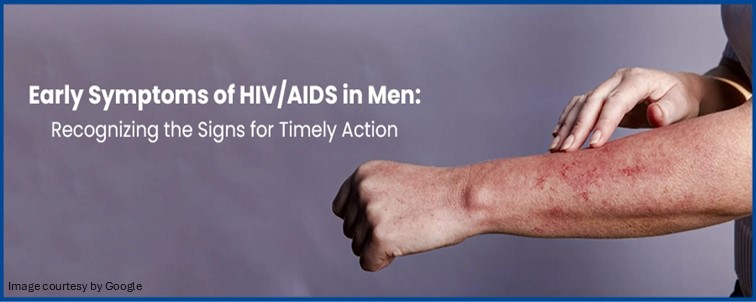
What are the signs of HIV? Well, the following are some early signs of HIV that may suggest you may be HIV-positive:
1. Fever – This is one of the early signs of HIV. The fever is normally mild, up to about 102 degrees F. One may also experience other mild symptoms along with fever, such as fatigue and weakness. Muscle and Joint pain, Swollen lymph nodes, etc, are some signs of HIV that are similar to those of the flu. Hence, people often mistake it for the flu. Pain in the joints and muscles, along with swollen lymph glands, could be the signs of HIV.
2. Rashes – Skin rash is one of the facial or face sign of HIV. If the appearance of a skin rash seems unexplained or if it is not getting treated, then it is suggested to get an HIV test done. These rashes may look like reddish, bumpy, sometimes flat and raised areas on the skin, and can appear late or in the early course of HIV/AIDS.
3. Nausea, diarrhoea, vomiting – Some of the early signs of HIV include short-term nausea, vomiting, or diarrhoea. These symptoms that do not respond to usual therapy could be an indication of the presence of HIV.
4. Weight loss – This could be a sign of an advanced stage of illness or an outcome of severe diarrhoea. If a person has had a weakness or diarrhoea lasting for more than 30 days, and has lost around 10% or more of body weight, then they may be experiencing “AIDS wasting” or wasting syndrome.
5. Pneumonia – A weak immune system is prone to various infections, and Pneumocystis pneumonia (PCP), aka AIDS pneumonia. The symptoms of AIDS and PCP can eventually land the infected person in the hospital.
6. Night sweats – These can be intense, soaking your bedclothes and sheets. It is experienced in the early stages of HIV infection and is not related to exercise or the temperature of the room.
7. Yeast infection – This type of infection is caused by Candida, a common fungus that also causes yeast infections in women. Another common fungal infection is Thrush, caused by the same fungus and affecting the oesophagus or mouth, making swallowing difficult.
8. Confusion or inability to concentrate – HIV-related dementia can cause confusion or an inability to concentrate, and may also cause memory problems and behavioural issues, such as anger or irritability. These problems occur late in the course of the disease.
9. Numbness and tingling sensation – At a later stage of HIV, an individual may experience tingling in the hands and feet, along with numbness. This condition is called peripheral neuropathy and may also be noticed amongst people who have diabetes.
10. Genital herpes or cold sores – Both of these could be a sign of ARS as well as late-stage HIV infection. In addition, genital herpes can result in ulcers, which may spread HIV to a non-infected person during sex. It is a high-risk factor for contracting HIV.
11. Irregular menstrual cycles – HIV in its advanced stage can result in menstrual irregularities, such as lighter and fewer periods. However, this could be due to the failing health of women with late-stage infection.
As mentioned earlier in the article, many people fail to recognise the signs and symptoms of HIV. Many times, the symptoms of HIV and AIDS don’t appear early and may not surface, sometimes even after a long time. However, if the individual is aware of the involvement in high-risk sexual behaviour or sharing of needles, then it is important to get tested for HIV without fail. It is essential to understand that medications are available for the treatment of HIV. These treatments are designed to fight HIV and its related complications, and to keep your immune system as healthy as possible. Follow your doctor’s instructions to better fight this disease.